




Orthopedic oncology is dedicated to the comprehensive diagnosis and treatment of bone and soft-tissue tumors — both benign and malignant. At Atlas Hospital, we provide patients with complete, integrated medical care, in close collaboration with specialists from multiple surgical and oncological disciplines, following the model of leading European orthopedic oncology centers.
Our Approach
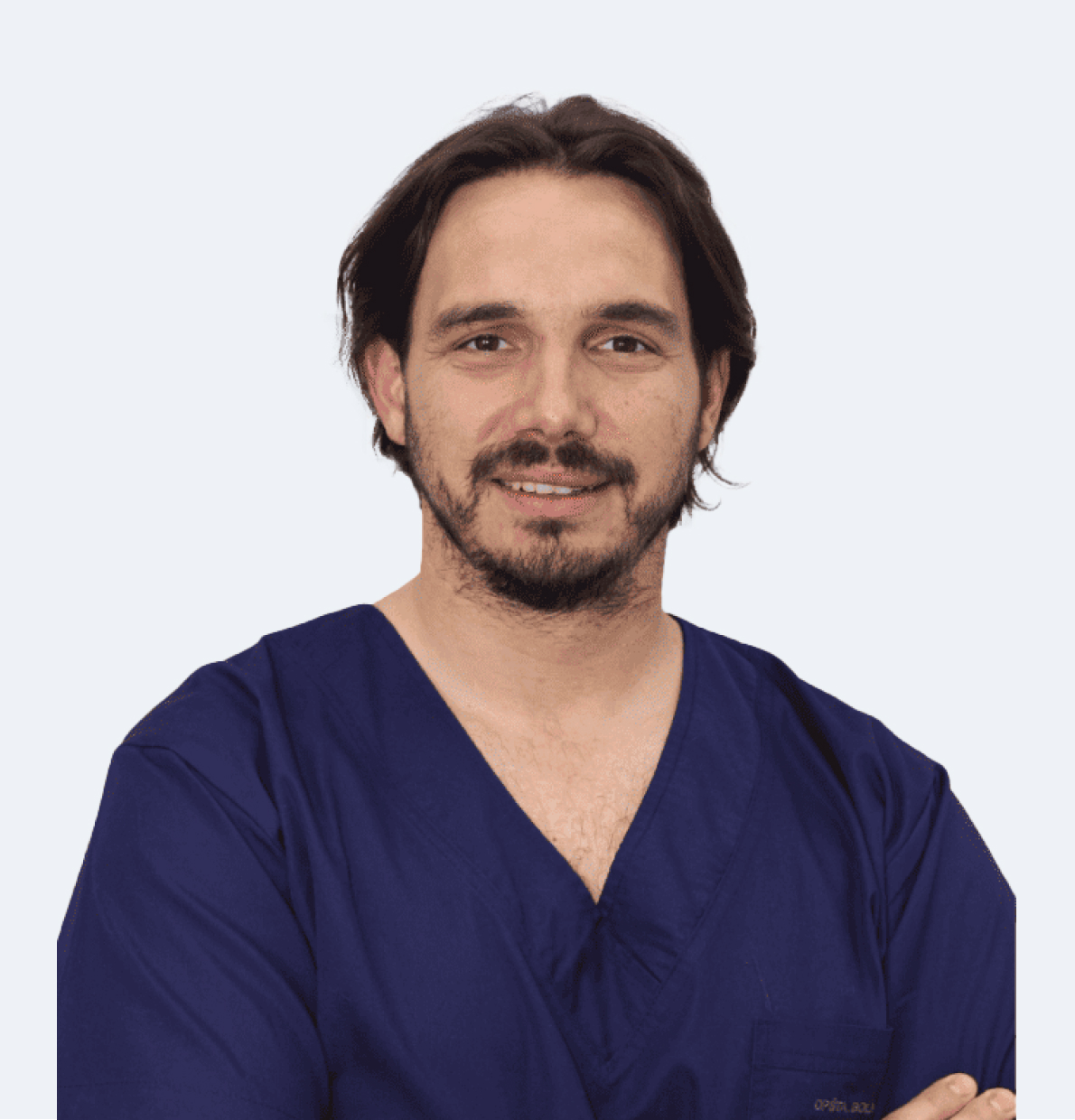
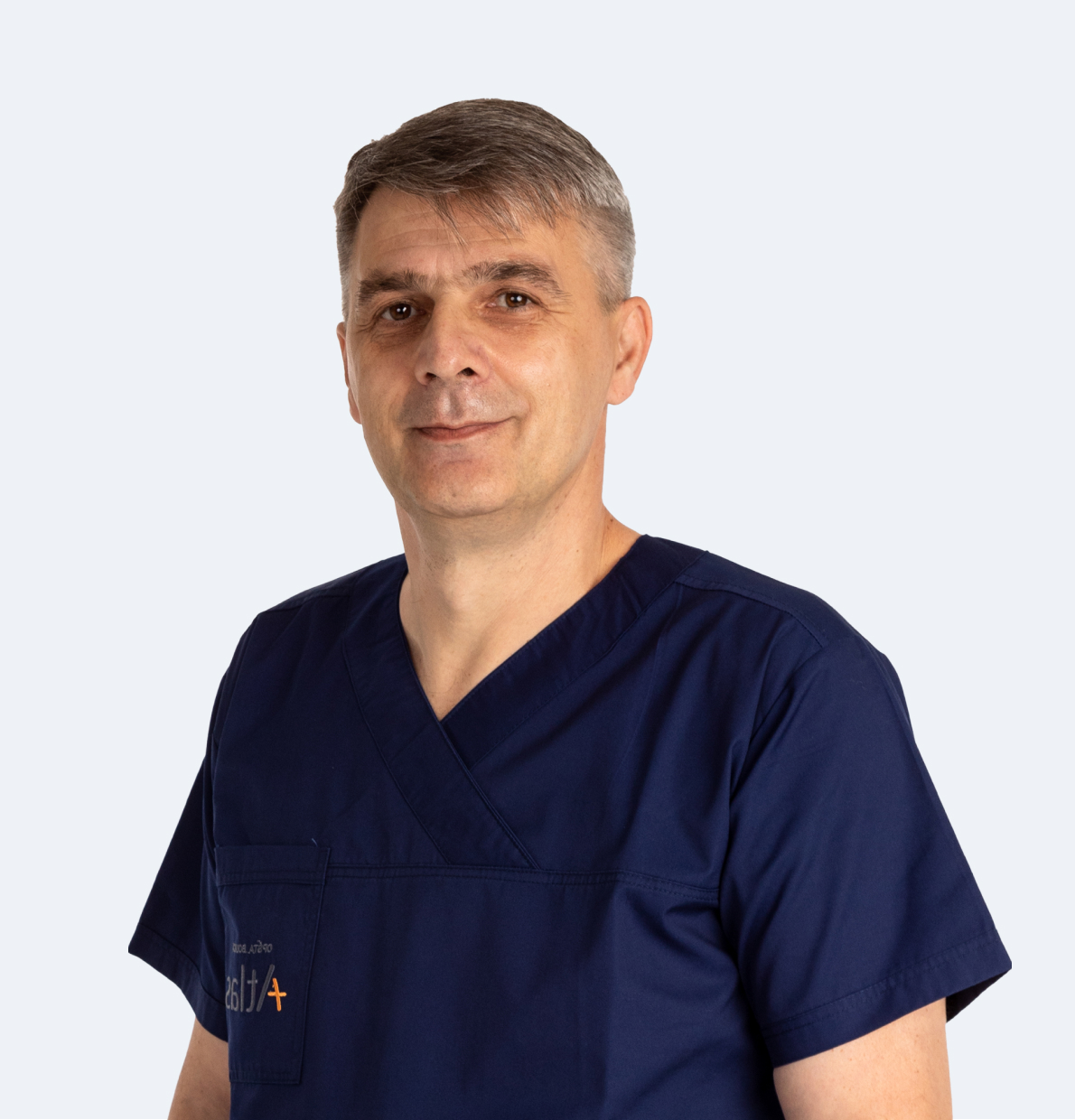
The team is led by Assoc. Dr. Nikola Bogosavljević and Dr. Zoran Vučinić, both with extensive experience in treating tumors of the musculoskeletal system. Treatment is delivered through a multidisciplinary model, involving — when needed — the following specialists:
- orthopedic oncologic surgeons
- vascular surgeons
- plastic and reconstructive surgeons
- general surgeons
- medical oncologists and radiotherapists
- subspecialist radiologists
- pathologists specializing in sarcoma pathology
- physical medicine and rehabilitation specialists
This approach ensures precise diagnostics, individually planned treatment, and maximum preservation of limb function, in line with modern orthopedic oncology standards.
Understanding Bone and Soft-Tissue Tumors
Bone and soft-tissue tumors develop as a result of uncontrolled growth of altered cells within bones, muscles, connective tissue, fat, or cartilage. Based on their biological behavior, they are classified into:
Benign Tumors (non-cancerous)
- Do not spread to other parts of the body (no metastases).
- Can be locally aggressive, gradually destroying surrounding tissue.
- May cause pain, swelling, deformity, functional limitations, or pathological fracture.
- Often require monitoring, and in some cases surgical treatment.
Malignant Tumors (sarcomas)
- Invade surrounding tissues and may spread through the bloodstream (metastases).
- Tend to have a faster and more aggressive course.
- Require early diagnosis, a multidisciplinary approach, and combined therapy: surgery, chemotherapy, and/or radiotherapy.
Most Common Tumors We Treat
Primary Bone Tumors
- Osteosarcoma – malignant bone-forming tumor, most common in children and young adults.
- Chondrosarcoma – cartilage-forming tumor, more frequent in adults.
- Ewing Sarcoma – aggressive tumor, typically in younger patients.
Metastatic Bone Tumors
(the most common malignant bone process in adults)
- Result from the spread of cancer cells from other organs (breast, lung, prostate, kidney).
- Most often occur in older adults.
Benign Bone Tumors
- Osteochondroma
- Giant cell tumor (may behave aggressively)
- Fibromas
- Enchondromas and others
Although benign, these tumors may cause symptoms due to growth and require medical evaluation.
Soft-Tissue Tumors
- Benign: lipomas, fibromas, hemangiomas
- Malignant (soft-tissue sarcomas): liposarcoma, fibrosarcoma, synovial sarcoma, leiomyosarcoma, and others
Malignant soft-tissue tumors are particularly insidious because they often cause no pain in early stages.
Symptoms – When to Seek a Specialist
Contact a specialist if you notice:
- a visible swelling or “lump” on the arm, leg, trunk, or near a joint
- persistent pain that does not improve with treatment
- night pain or pain at rest
- a bone fracture without a clear cause
- numbness, limited range of motion, or a feeling of pressure (if the mass compresses nerves)
Early diagnosis has a decisive impact on outcome — any unusual change warrants timely expert evaluation.
Diagnostic Process
At Atlas Hospital, we provide complete diagnostics in accordance with international guidelines:
- detailed clinical examination and symptom assessment
- radiological imaging: X-ray, CT, MRI, PET-CT (in cooperation with reference centers)
- tumor biopsy with histopathological analysis in accredited laboratories
- expert interpretation by sarcoma-specialized pathologists
- laboratory and genetic testing (for select tumor types)
After completing the diagnostic workup, the team creates an individualized treatment plan tailored to the tumor type, disease stage, and the patient’s overall condition.
Treatment — Multidisciplinary and Modern
Treatment of bone and soft-tissue tumors at Atlas Hospital follows models used in leading global centers, with coordinated care from multiple specialists.
Treatment Methods
Surgical Treatment
- Tumor removal with maximal preservation of limb function.
- Reconstruction using state-of-the-art endoprostheses (hip, knee, elbow, humerus, and segmental bone replacements with both adjacent joints).
- Bone reconstruction through:
- vascularized fibula grafts
- bone grafts
- reconstructions in collaboration with plastic and vascular surgeons
Combined Therapy
- Surgery + chemotherapy
- Surgery + radiotherapy
- Multimodal treatment according to modern protocols (ESMO, NCCN)
Rehabilitation and Physical Therapy
- Early mobilization
- Restoration of function and strength
- Continuous monitoring throughout recovery
Why Choose Atlas Hospital?
- Experienced team specialized in bone and soft-tissue tumors
- Full multidisciplinary approach with all key specialists involved
- Advanced diagnostics and the latest treatment protocols
- State-of-the-art limb reconstruction techniques
- Strong focus on preserving function and patient quality of life
- Ongoing follow-up and support throughout the entire treatment process