




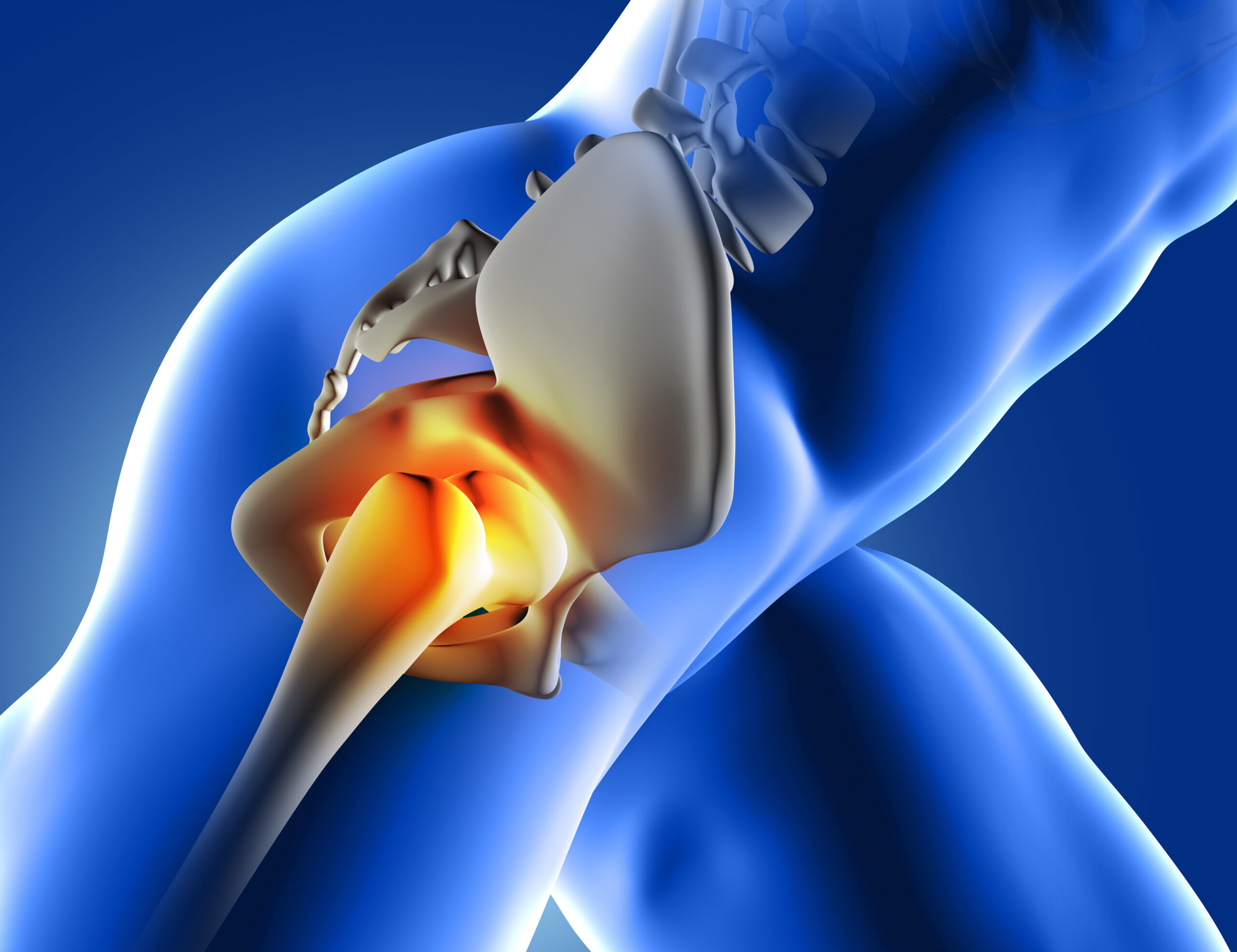
What is Hip Arthroscopy?
Hip arthroscopy is a minimally invasive surgical procedure that allows orthopedic surgeons to examine and treat problems inside the hip joint without making large incisions. The procedure is performed using an arthroscope – a small camera inserted into the joint through a small incision – along with specialized instruments for performing corrective interventions.
It is used to diagnose and treat various conditions such as labral tears, femoroacetabular impingement (FAI), cartilage damage, loose bodies in the joint, and bone spurs that limit mobility and cause pain.
Benefits of Hip Arthroscopy
- Minimally invasive
- Less postoperative pain
- Faster recovery and return to activity
- Lower risk of complications compared to open surgery
- Shorter hospital stay – often same-day discharge
Conditions Treated with Hip Arthroscopy
- Femoroacetabular impingement (FAI)
- Labral tears (cartilage ring of the hip joint)
- Cartilage damage
- Loose fragments inside the joint
- Bone spurs (osteophytes)
- Synovitis and other inflammatory conditions
What to Expect During the Procedure
The surgery is performed under general or regional anesthesia. The patient is positioned in a special setup with gentle traction applied to create space within the joint. Through 2 or 3 small incisions, the surgeon inserts the arthroscope and surgical instruments. The surgeon visually assesses the condition of the joint and performs the necessary corrective procedures.
Once the procedure is complete, the incisions are closed with stitches or surgical tape, and the patient is moved to recovery.

Recovery Period
Recovery time depends on the specific procedure and the patient’s overall condition. In the first weeks, walking aids (such as crutches) are commonly used, and physical therapy typically begins soon after surgery to restore strength, mobility, and joint function.
Full recovery may take several weeks to several months, depending on the complexity of the procedure and preoperative condition.
Potential Complications
As with any surgical procedure, hip arthroscopy carries some risks, although they are rare:
- Infection
- Injury to nerves or blood vessels
- Blood clots (deep vein thrombosis)
- Treatment failure or recurrence of symptoms
When to Consider Hip Arthroscopy
Hip arthroscopy is recommended for patients with persistent hip pain, limited mobility, and symptoms that do not improve with physical therapy, medication, or other non-surgical treatments. Early diagnosis and timely intervention can significantly improve quality of life and prevent further joint damage.
Conclusion
Hip arthroscopy is a modern, safe, and effective treatment for a wide range of hip joint problems. With an experienced surgical team and appropriate postoperative care, most patients experience significant pain relief, improved mobility, and a quick return to daily activities.